



AI Debt Is Starting to Reprice: Can Big Tech Still Afford the CapEx Boom?
Hyperscaler debt issuance is surging, bond demand is weakening, and matched AI bonds are trading 15–22bp wider. Capital may be becoming AI's next bottleneck.
Read analysisDeep dives into business models, market shifts, and earnings to uncover durable compounders.
See where public operating signals are active, under monitoring, or quiet.
 Compute
 Optical Interconnect
 Memory & Storage
 Power & Cooling
 Manufacturing & Materials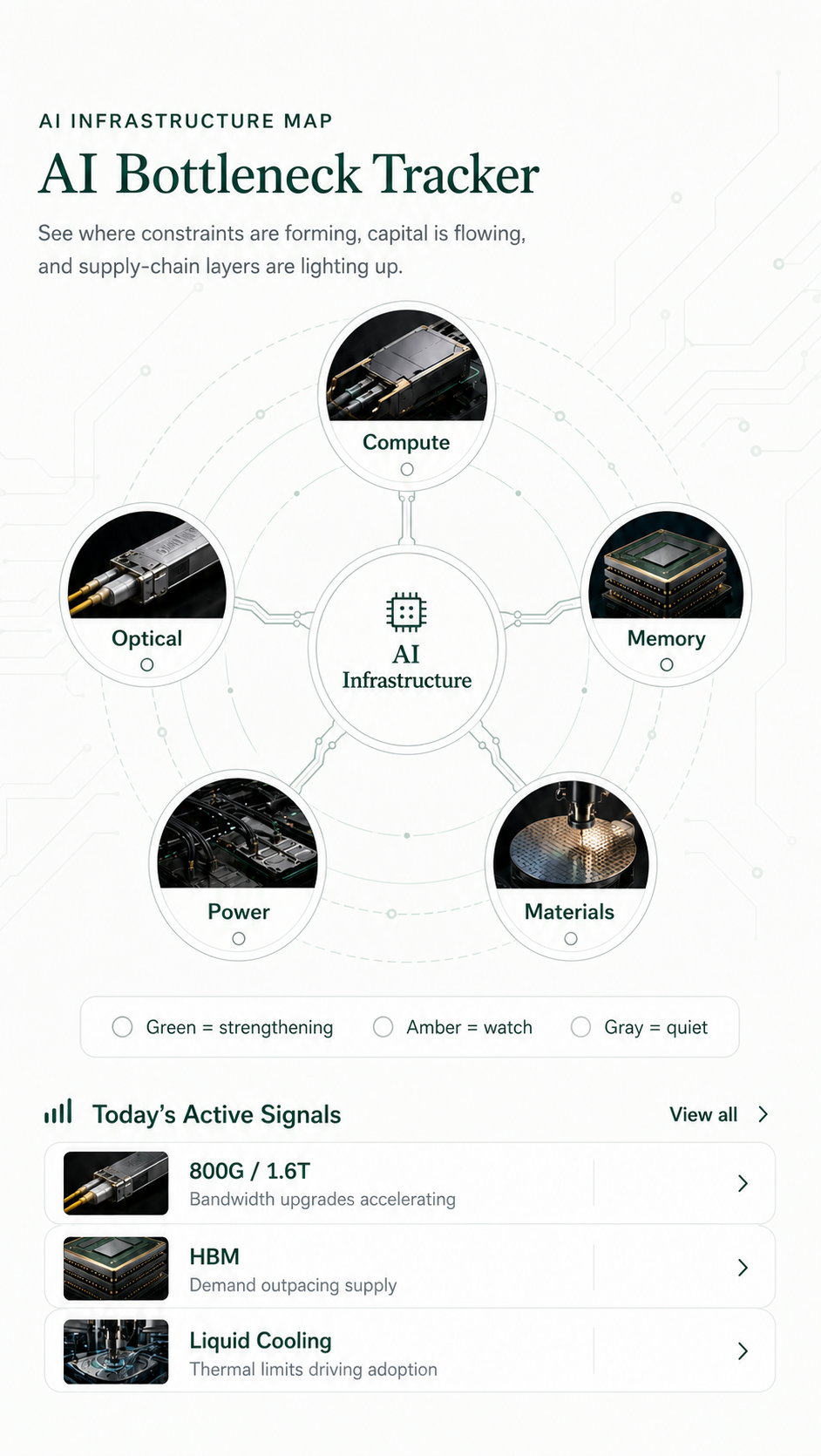
AI INFRASTRUCTURE MAP
No approved public signals today.
Payload updated 2026-07-18
Hyperscaler debt issuance is surging, bond demand is weakening, and matched AI bonds are trading 15–22bp wider. Capital may be becoming AI's next bottleneck.
Read analysis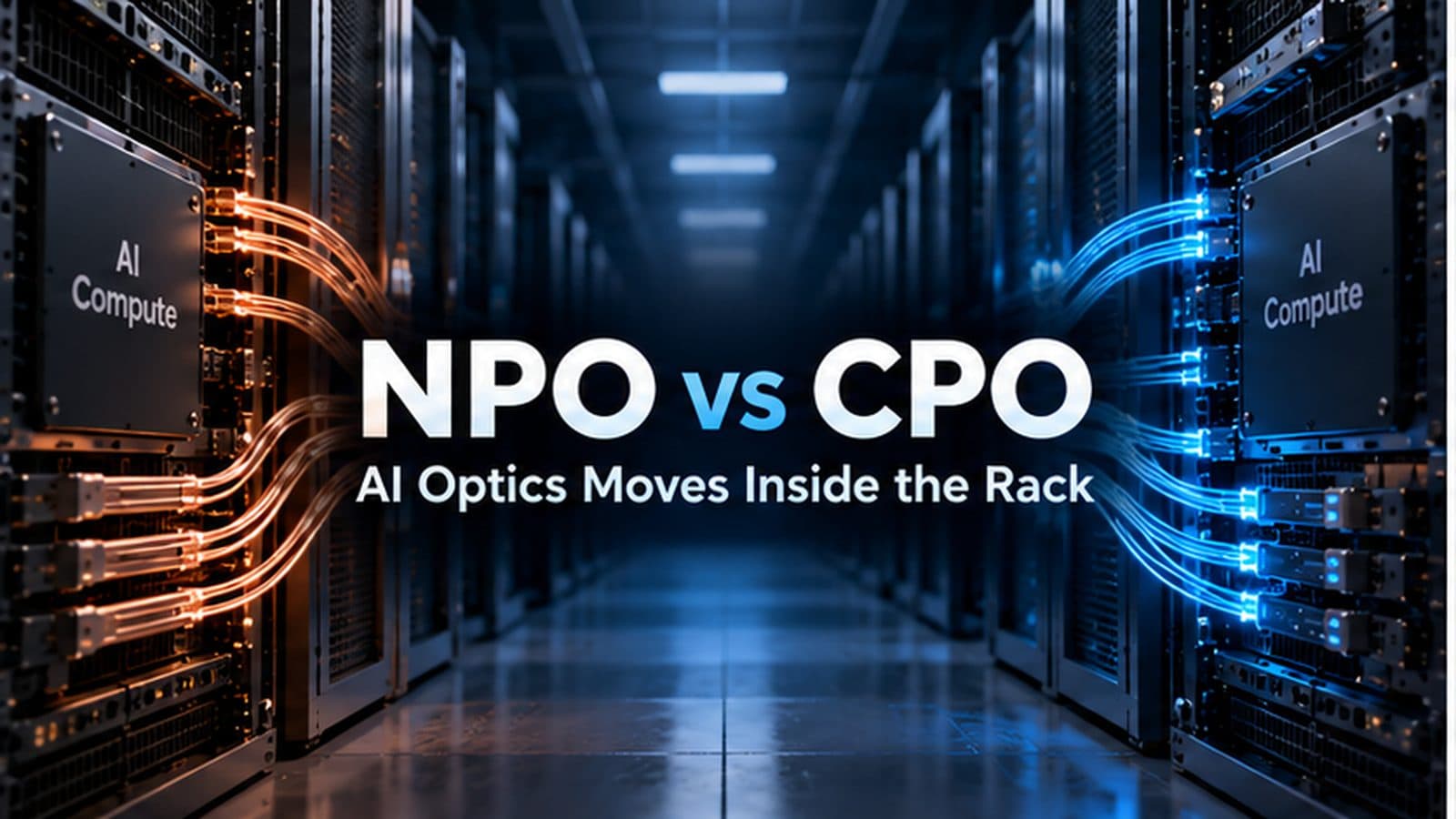
AI data centers are pushing optical connectivity away from the front panel and closer to GPUs and switch ASICs. NPO, CPO, and 1.6T pluggable optics may coexist for years, but the shift is already redistributing value across silicon photonics, lasers, optical engines, testing, and the broader optical module supply chain.
Read analysis
Japan’s 10-year yield hit 3% for the first time since 1996 as USD/JPY returned near 160. The old U.S.-Japan yield-spread anchor has weakened; Japan’s own curve, fiscal risk, and the BOJ-Fed rate-hike setup are now what matter for September.
Read analysis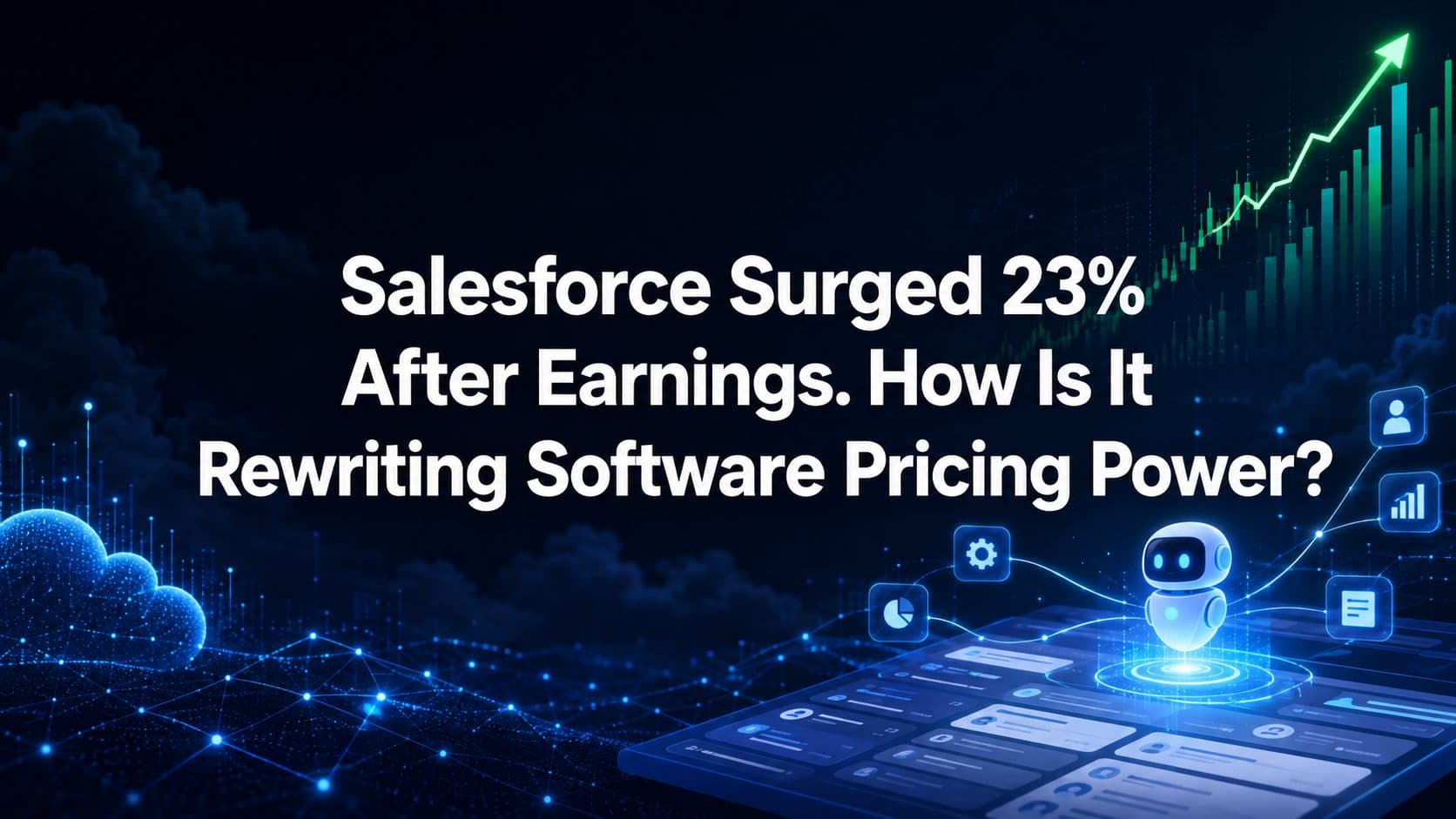
Salesforce's 23% post-earnings rally was less about a revenue breakout than about the market lowering the probability that AI agents will permanently destroy software terminal value. Agentforce passed a real-consumption test; the full-renewal test is just beginning.
Read analysis
Public research has accelerated the discovery of AXT’s strategic position in indium phosphide. The investment outcome now depends on whether operating economics can catch up with expectations already embedded in the stock.
Read analysis
Stablecoins look like digital dollars, but the business behind them is driven by reserve balances, Treasury yields, and distribution economics. Here is how USDC works and why OUSD could change who captures the profits.
Read analysisMemory inventories below 10 days matter because the industry is running out of the inventory buffer that normally absorbs unexpected changes in demand. HBM4, long-term customer agreements and uncommitted bit supply now matter more than another HBM demand forecast.
Read articleThe best Anthropic IPO proxy is not the company that owns the most Anthropic. It is the public company whose market value is most concentrated in its Anthropic position — which currently puts SK Telecom, DXYZ and Zoom ahead of Amazon, Alphabet and Salesforce.
Read articleGold is still a real-rate trade in the short term, but rising U.S. debt and fiscal pressure are changing its medium-term relationship with Treasury yields.
Read articleBroadcom’s custom accelerators are moving into gigawatt-scale deployments. The bigger investment question is what happens to the AI infrastructure value pool when compute is no longer built around GPUs alone.
Read articleAI server orders, cloud utilization, and HBM contracts all point to real demand. The harder question for 2027 is whether high prices and new qualified supply begin to change the cycle.
Read articleMemory stocks have bounced from the selloff and settled into a range. The next move may depend less on another headline that AI demand is strong, and more on whether the market can push its earnings assumptions several years further out.
Read articleJoin readers who receive our best ideas and insights straight to their inbox.